MEET CLAYTON C. ANDERSON
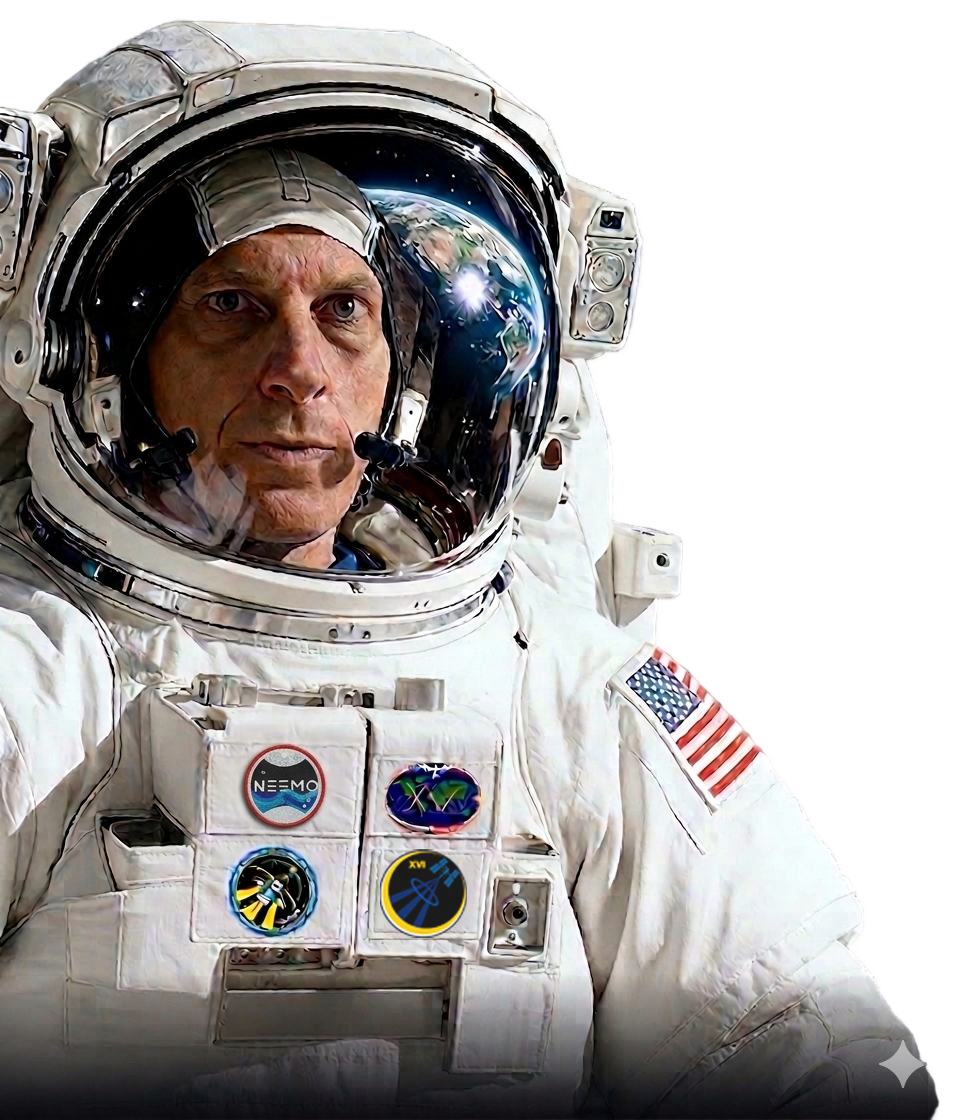
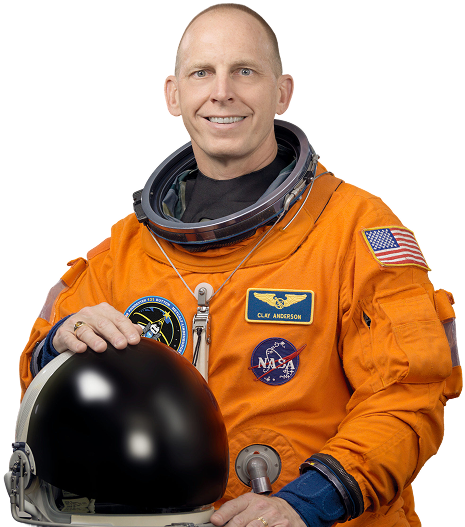
Astronaut Clayton – “Astro Clay” R – Anderson, is Nebraska’s only Astronaut. He spent 167 days in space and 38 hours and 28 minutes in executing 6 spacewalks. Having applied 15 times before NASA selected him as an Astronaut in 1998, his career spanned 30 years working for NASA; 15 as an engineer and then 15 as an Astronaut. Succeeding in one of the most difficult and coveted jobs in the world through perseverance and a never-give-up mantra, Anderson employs NASA’s “Plan, Train, and Fly (Execute)” philosophy to his speaking engagements and projects. Coupled with lessons learned in the areas of leadership, persistence, teamwork, and passion, he provides unique and “out of this world” insights for those seeking to achieve results through thoughtful, practical, and successful execution.
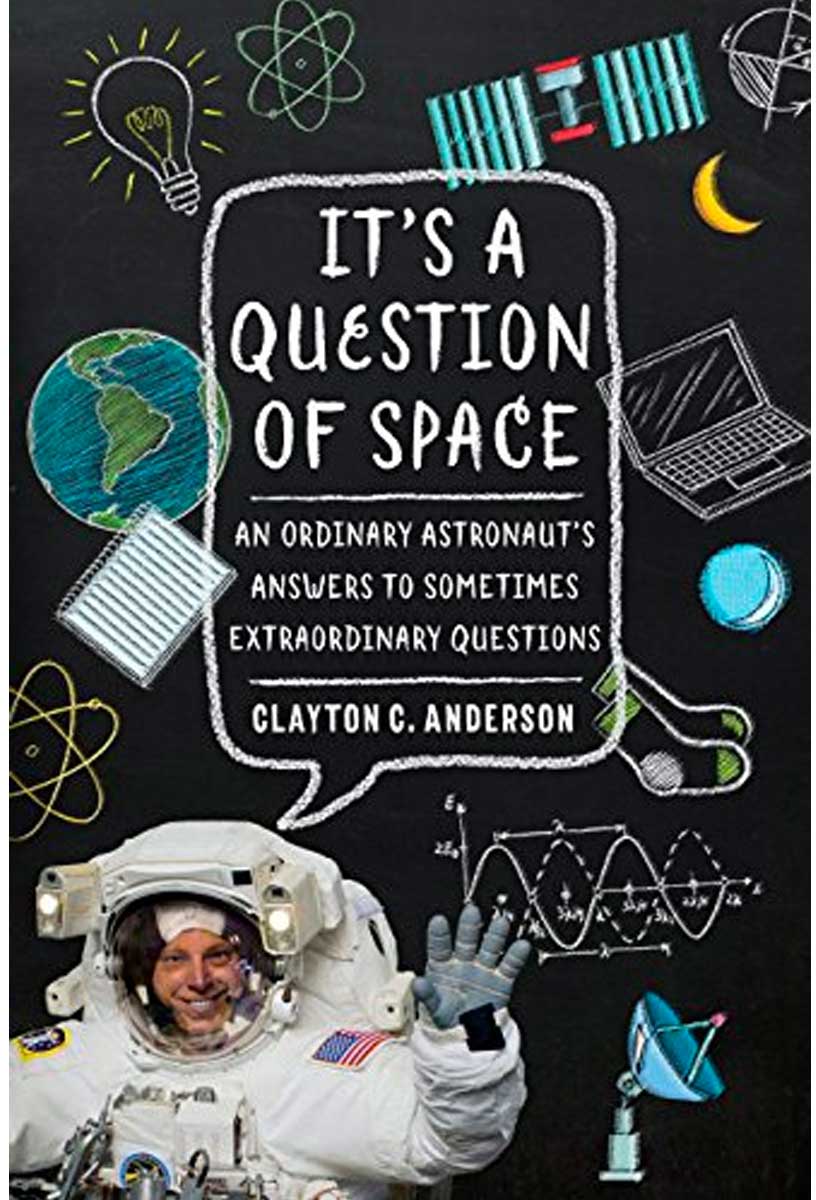
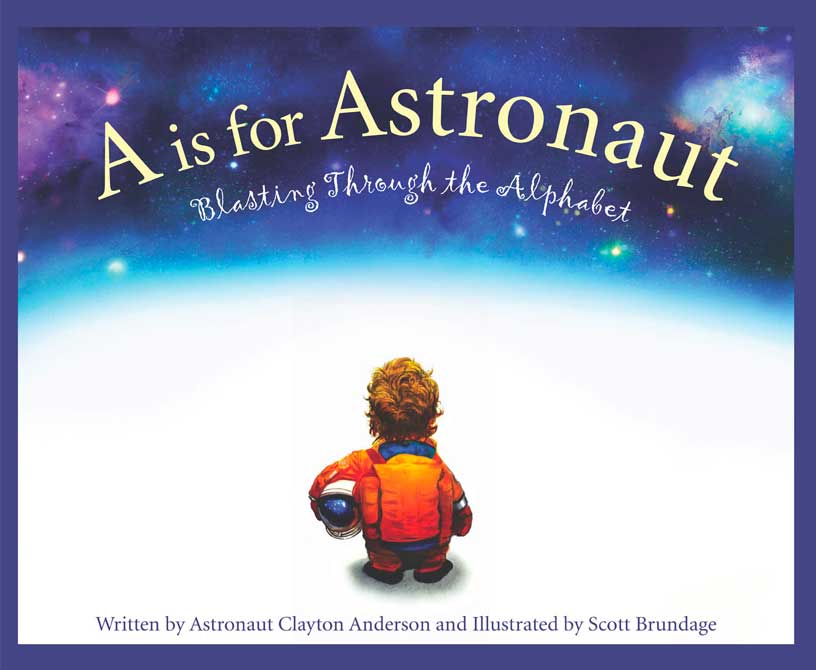
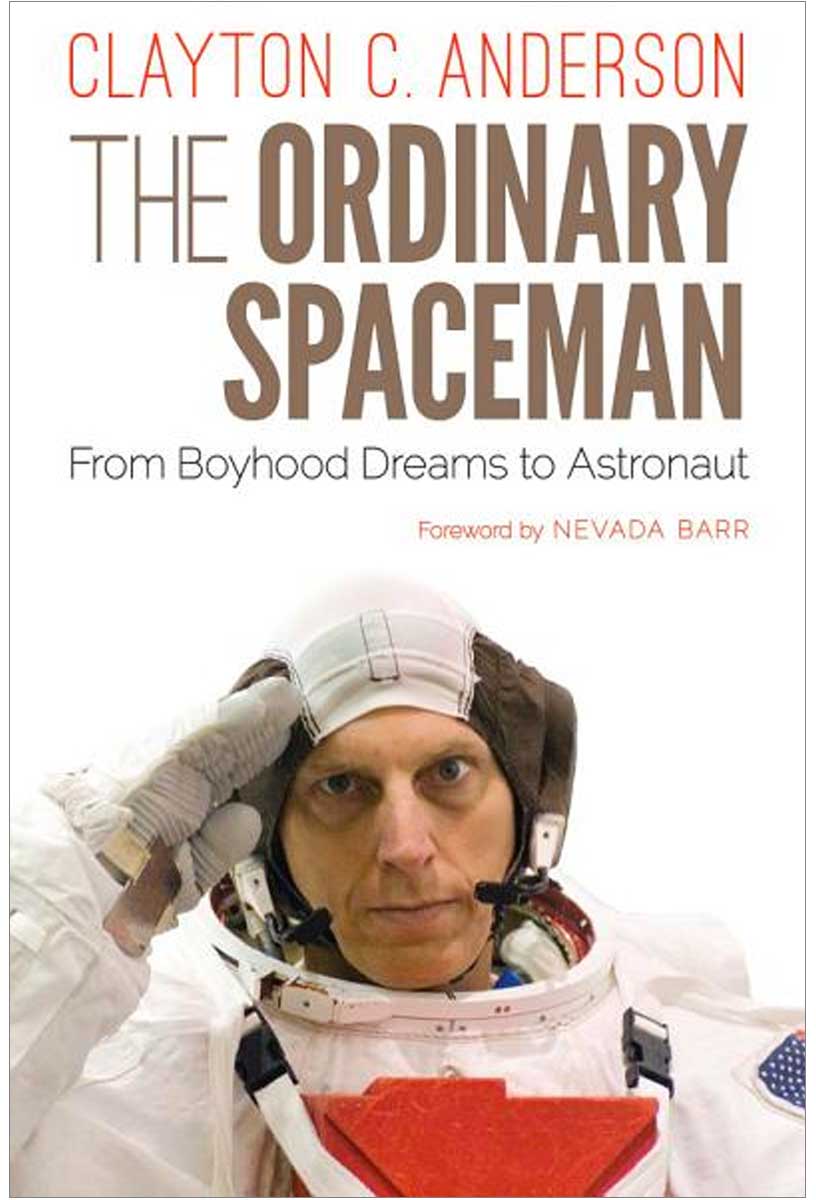
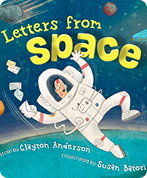
Clay is a five-time author with AWARD-WINNING books: The Ordinary Spaceman R: From Boyhood Dreams to Astronaut, A is for Astronaut: Blasting Through the Alphabet, and Letters from Space, along with It’s a Question of Space: An Ordinary Astronaut’s Answers to Sometimes Extraordinary Questions. His latest children’s book, So You Want To Be An Astronaut, was released in 2023. All of his titles are available through www.astroclay.com (autographed copies) and www.astronautclaytonanderson.com. Additional “Astro Clay” R merchandise, as well as a special “Astronaut Edition” Fisher Space Pen are also available through his website.
MISSION Highlights
& Spacewalks
Six missions. Six spacewalks. Over 38 hours of extravehicular activity. Dive into the milestones that defined Clay’s NASA legacy.
Time in Space :
Days, Hours, Minutes
Spacewalks (EVAs) :
Totaling Hours,
NEEMO 5 (June 16-29, 2003)
NEEMO 5 was the fifth mission in NASA’s Extreme Environment Mission Operations (NEEMO) project, an underwater analog for spaceflight. It is in this “extreme” environment where astronauts and scientists lived for an extended period in the Aquarius habitat located off the Florida coast. For 14 days, the NEEMO 5 crew worked in a fashion similar to a space mission, training through simulating expected space conditions like confinement and spacewalks (Extravehicular Activities or EVAs). Spacewalks were simulated through daily SCUBA dives, with dedicated tasking, e.g., building “Waterlab,” a PVC-based structure on the ocean floor.
This early NEEMO mission, conducted in the Aquarius Habitat Reef Base near Key Largo, Florida, tested crew procedures, equipment, space food, and human adaptation in a very hostile environment, laying the groundwork for future exploration by simulating long-duration space travel. The NEEMO 5 crew included astronauts Peggy “Boss” Whitson (PhD), Garrett “Chia Pet” Reisman (PhD), Anderson (“George”) and Scientist Emma “Fleece” Hwang. They were accompanied by Aquarius Habitat Technicians Ryan “Candy Man” Snow and James “Base” Talacek.
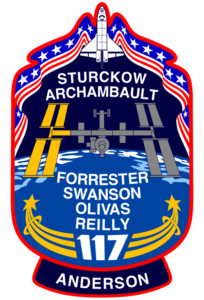
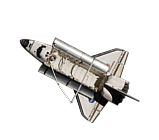
STS-117 — Space Shuttle Atlantis (June 8–22, 2007)
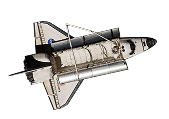
Clayton Anderson launched aboard Space Shuttle Atlantis on June 8, 2007, beginning a journey that would keep him in space for more than five months.
STS-117 launched from Kennedy Space Center on June 8, 2007, and carried the S3/S4 truss segment and a new set of solar arrays to the International Space Station. During the mission, the crew installed the new truss, retracted an existing solar array on the station’s Z1 truss, and deployed the new arrays, expanding the station’s power-generating capabilities.
For Anderson, however, arriving at the ISS was only the beginning. While Atlantis and the rest of the STS-117 crew returned to Earth, Anderson remained behind, having replaced astronaut Sunita Williams and officially joining Expedition 15.
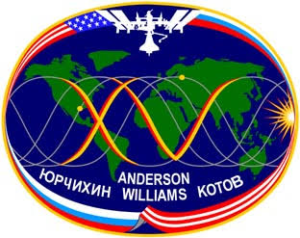
ISS Expedition 15 (June–October 2007)
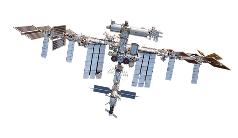
After arriving aboard Atlantis, Clayton Anderson became a flight engineer with Expedition 15 once across the station’s docking hatch, and began living and working aboard the International Space Station.
Serving as both a Medical Officer and Science Officer, Anderson was the sole American in space for much of his Expedition. His responsibilities included conducting scientific research, maintaining station systems, supporting assembly operations, and operating Canadarm2, the station’s robotic arm.
Anderson also participated in 3 spacewalks outside the station (one with Fyodor Yurchikin of Expedition 15, and two with STS-118 crewmembers Rick Mastracchio and Canadian David Williams) when Endeavor docked in August of 2007. He later became part of the Soyuz TMA-10 crew when the station crew relocated the Soyuz spacecraft to another docking port in preparation for future station operations.
Expedition 15 accounted for the majority of Anderson’s five-month stay in orbit and gave him the experience of not simply visiting space but making the International Space Station his temporary home.
ISS Expedition 16 (October–November 2007)
In October 2007, the arrival of Commander Peggy Whitson and the Expedition 16 crew marked another transition for Clayton Anderson. After serving with Expedition 15 since his June arrival, Anderson officially became a member of Expedition 16 when his Russian Expedition 15 crewmates returned to Earth on their Soyuz capsule.
He spent approximately three weeks with the new Expedition 16 crew, helping provide continuity as station operations transitioned between crews.
Anderson’s long-duration mission would come to an end with the arrival of STS-120 on Space Shuttle Discovery. Their crew brought astronaut Daniel Tani who would be Anderson’s replacement. Anderson departed the International Space Station aboard Discovery with the STS-120 crew and returned to Earth on November 7, 2007. Discovery’s arrival at the Kennedy Space Center ended Anderson’s first trip to space after accumulating approximately 152 days in space.
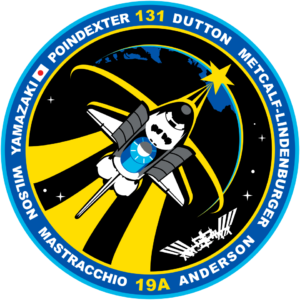
STS-131 (April 5-20, 2010)
Anderson launched and returned aboard Space Shuttle Discovery, spending over 15 days on a resupply mission to the International Space Station.
STS-131 launched on April 5, 2010, at 6:21 am from LC-39A, and landed at 9:08 am on April 20, 2010, on runway 33 at the Kennedy Space Center’s Shuttle Landing Facility. The mission marked the longest flight for Space Shuttle Discovery and its 38th and penultimate flight. It was also the final night launch of a Space Shuttle.
The primary payload was a Multi-Purpose Logistics Module loaded with supplies and equipment for the International Space Station. The mission also removed and replaced an ammonia tank assembly outside the station on the S1 truss. Anderson and crewmate Rick Mastracchio performed 3 spacewalks to complete these operations. STS-131 carried several on-board payloads, the most since STS-107. It was also the last shuttle mission with a crew of 7.
In space, you learn that preparation and humility pave the way to extraordinary outcomes.
Philosophy, Leadership & Learning
Clay believes that the operational mindset of an astronaut — Plan, Train, Fly — extends far beyond space missions. It’s a universal framework for achieving excellence in any field, from education to business to everyday life.
Drawing from his time at NASA and experiences on the International Space Station, Clay shares stories that illuminate resilience, teamwork, and the art of leading through uncertainty.
Whether he’s speaking to students, executives, or global audiences, Clay’s approach blends science, storytelling, and humility — inspiring others to look higher, think deeper, and dream bigger.
Books & Publications
A look behind the visor — capturing the milestones, missions, and memories that define Clay’s path.
It’s a Question of Space
A beautifully illustrated A-to-Z journey celebrating space and the people who explore it.
A is for Astronaut
A Q&A-style guide answering real questions about what it’s like to live and work in orbit.
The Ordinary Spaceman
Clay’s memoir — a personal, funny, and powerful look at life before, during, and after space.
Letters From Space
Real letters from the cosmos — where humor, heart, and imagination meet.
Personalized Kid's Book Bundle (3) with Patch (1)
Get Started
READY TO CONNECT WITH CLAY?
Featured in the Media
Whether it’s an event, a collaboration, or a speaking engagement, let’s make something extraordinary happen.